.svg)
Relationship OCD: Dr. Viviana Coles on Colorado & Company
Relationship OCD: Dr. Viviana Coles Explains on Colorado & Company
When it comes to dating, there's a long list of things to watch out for. One you may not have heard of yet: relationship OCD, also known as ROCD.
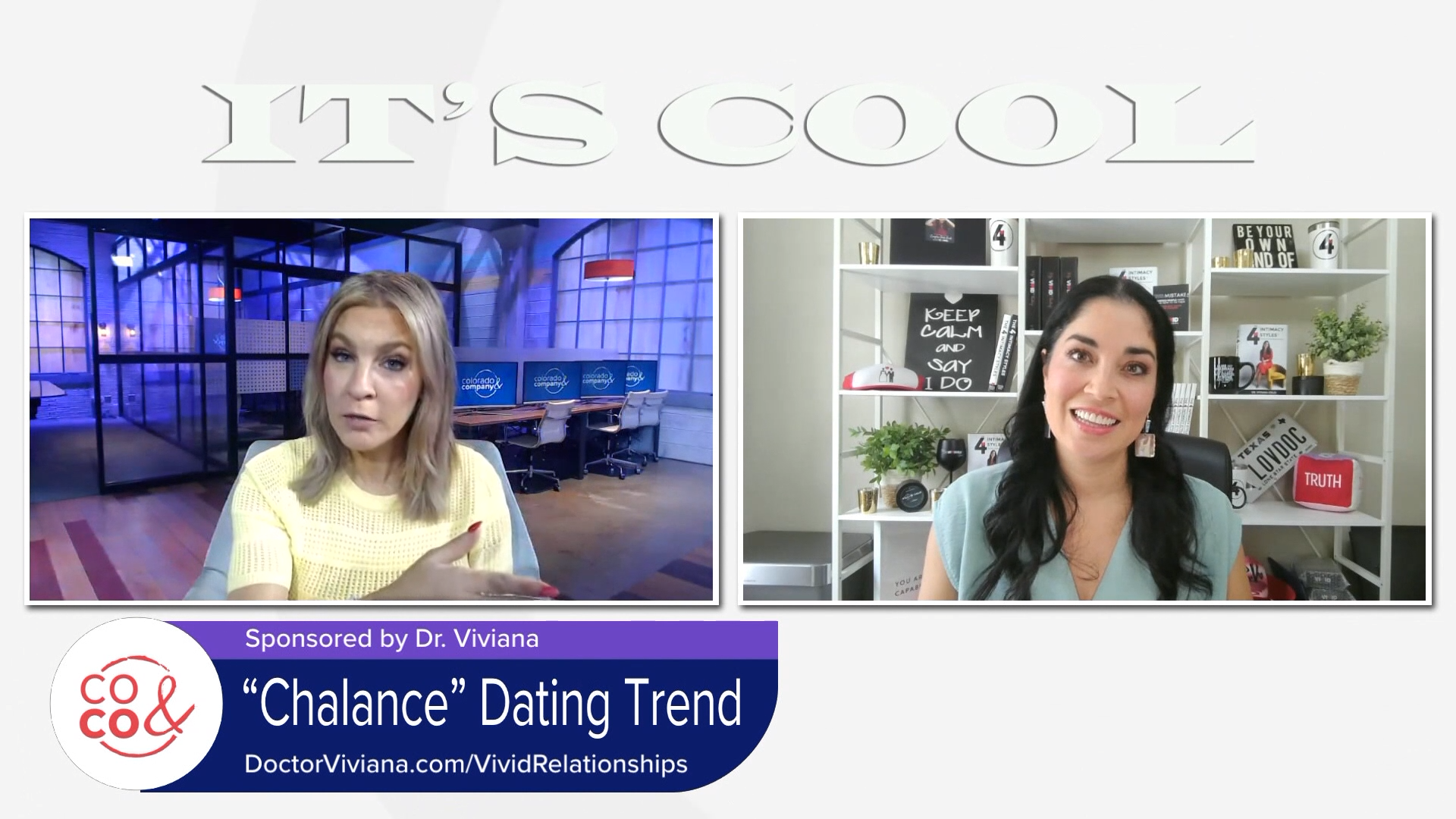
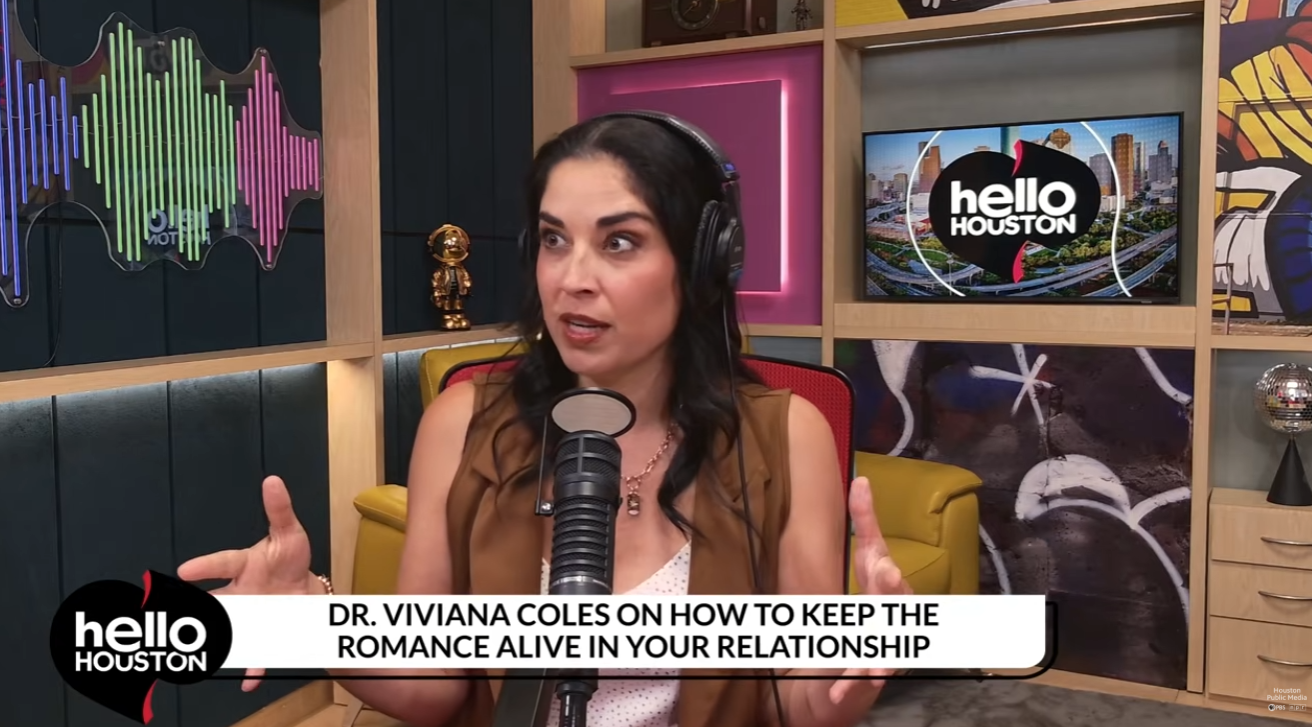
Dr. Viviana Coles, nationally recognized relationship and sex therapist and founder of Houston Relationship Therapy, joined 9NEWS' Colorado & Company to break down what relationship OCD is, why it can show up even in healthy relationships, and how to break the cycle.
What Is Relationship OCD?
In Dr. Viviana's words, relationship OCD is anxiety-driven doubt.
That distinction matters. This isn't about being in a bad relationship that's making you feel insecure or concerned. It's intrusive thoughts and compulsive checking about the relationship, even when things are going well. Relationship OCD is a compulsive issue, not a reaction to something your partner is doing.
What Relationship OCD Sounds Like
Relationship OCD usually shows up as constant questioning: whether you feel certain, whether the attraction is mutual, whether you're truly compatible, even when there are no real signs to prompt those doubts.
The questions tend to sound like this:
- Do I love them enough?
- Am I the right person for them?
- What if there's someone out there who's better?
And rather than being asked once and settled, those questions get ruminated on continuously.
The Reassurance Trap
Relationship OCD is a newer term, and as Dr. Viviana notes, you won't find it in the DSM. What it targets is reassurance.
It feels like a trap: a persistent sense of "I really need reassurance, and often." If you already lean that way, you may do this in relationships regardless of the circumstances. But it can strike even very secure people, especially when they watch others around them get betrayed by partners. It's almost as if you absorb the concerns other people have lived through and internalize them as your own.
Here's why it becomes a cycle. Your partner says, "No, I absolutely love you," and things really are going well. That can briefly soothe the anxiety. But the doubt comes back, and before long no amount of reassurance feels like enough.
How to Break the Relationship OCD Cycle
The good news: it is possible. Dr. Viviana starts in the same place with every client experiencing this.
1. Name the pattern. When do you typically experience more relationship OCD? Identifying the pattern gives you the lay of the land, and from there you can start to counteract the compulsion and reduce it.
2. Limit the triggers gradually, not all at once. Say someone is constantly consuming doom-filled relationship content online, or lurking on Reddit threads. Simply telling them to stop rarely works. Most people aren't going to just quit. Instead, Dr. Viviana's approach is to cap it:
- Start with five minutes a day
- Decrease it from there
- Then cut it off
3. Learn which conversations actually reassure you. Healthy relationship talks look very different from asking your partner over and over whether they love you. When that answer goes in one ear and out the other, it causes more grief than your partner may have signed up for.
How to Support a Partner With Relationship OCD
If you're not the one with relationship OCD but your partner is, the first step is the same: notice the pattern, and gently help them see it too.
That might sound like:
- "It seems like when you hang out with these people, you tend to be more on edge."
- "It seems like when you read this book or listen to this podcast, the doubts get louder."
- "It seems like when I go out of town, you experience more of those symptoms."
Then decide together what you can do before those situations, or how you might limit them, so your partner goes in feeling more assured than they have in the past. Notice the pattern, prepare for it, and see whether that shakes things up enough to start breaking the cycle.
Watch the Full Segment
Catch Dr. Viviana's full conversation on Colorado & Company: https://youtu.be/VPWqOwQQVHQ
Continue the conversation with Dr. Viviana at DoctorViviana.com/VividRelationships.